“I Love You” Were the Last Words
They were the kind of men small towns quietly depend on:
the ones who showed up early, stayed late, and never made a scene.
One coached youth baseball; the other worked night shifts to cover daycare and a mortgage.
When they boarded the plane in their dress uniforms, neighbors brought casseroles and flags,
comforting themselves with the promise that this deployment was “low risk.”
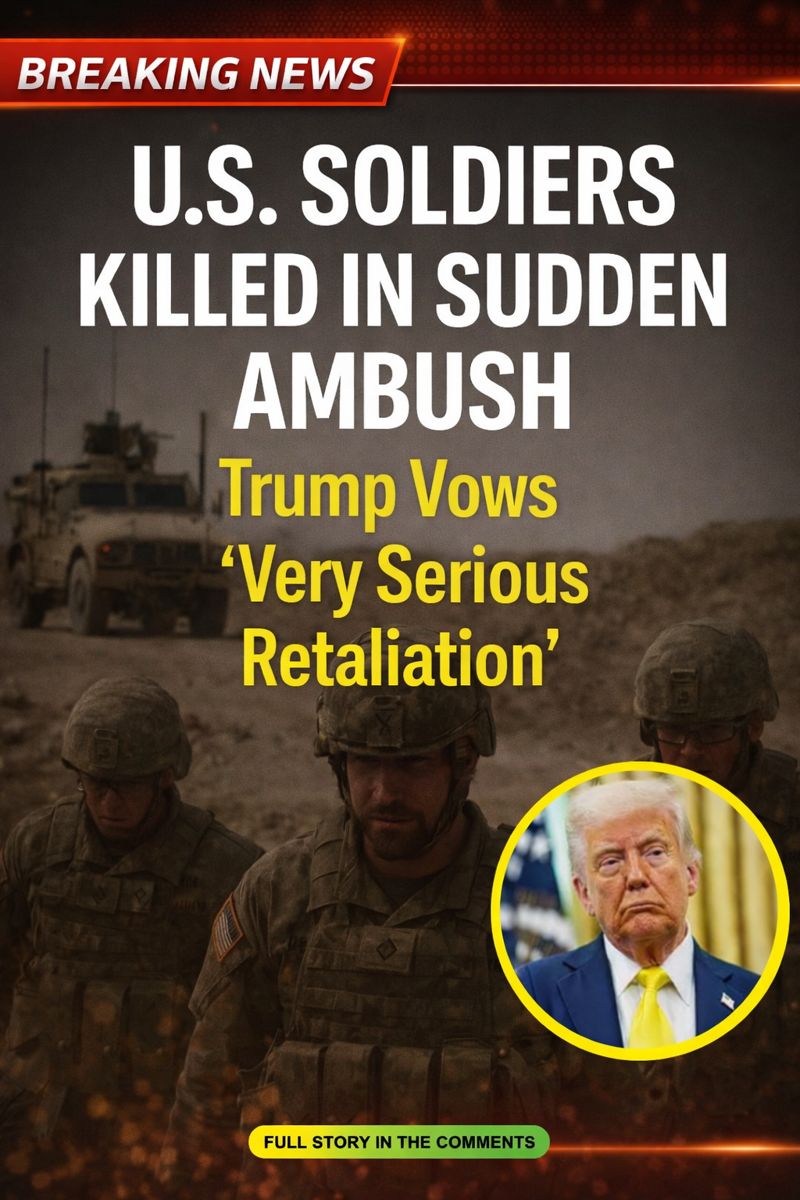
That promise died on a dusty road outside Palmyra,
when a lone gunman turned a routine patrol into a killing ground.
In Iowa, grief now lives in the ordinary: a truck that never leaves the driveway,
a phone that will never light up with a “Landed safe” text.
Politicians speak of strategy and deterrence, but in living rooms filled with folded flags,
the language is simpler—love, anger, pride, and a quiet,
unanswerable question: was it worth their last breath?