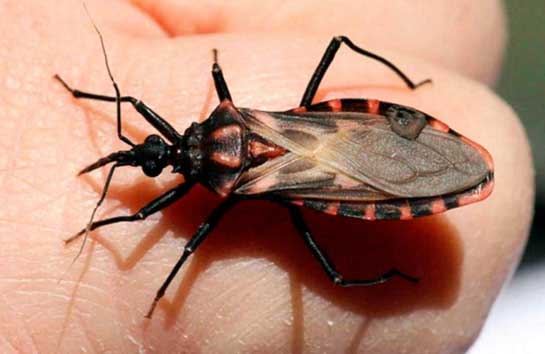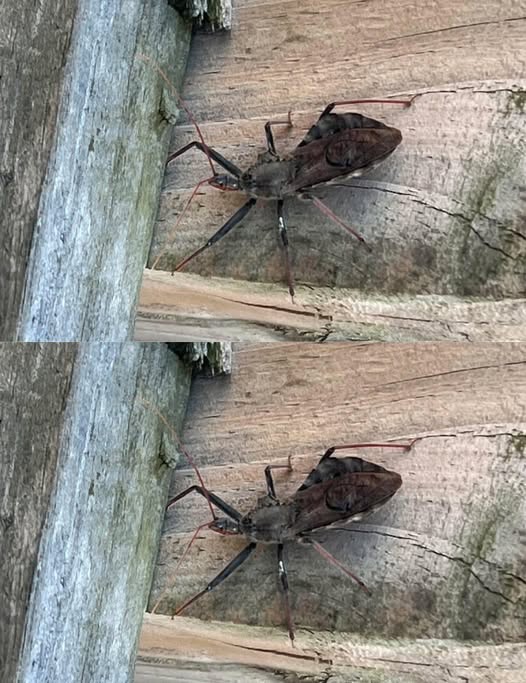
What To Do If Bitten By An Assassin Bug
A New Summer Concern
Warm weather brings more outdoor time—and more insects.
Along with ticks and mosquitoes, assassin bugs are drawing
attention as their population increases in parts of the United States.
Though unfamiliar to many, their bites can pose serious health risks.
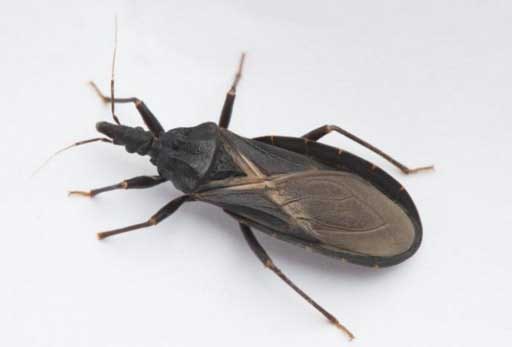
Why Assassin Bugs Are Dangerous
Assassin bugs, also called kissing bugs, feed on blood.
The danger comes afterward: their feces can contain
parasites that cause Chagas disease if they enter the body
through skin or mucous membranes.
Early symptoms may be mild or absent, but untreated infections
can later damage the heart and become life-threatening.
Where They Live
These insects are found across the U.S., especially in southern regions.
They live outdoors in woodpiles, gardens, debris, and sometimes enter
homes through cracks or cluttered spaces.
Prevention and What to Do
Clear debris, seal gaps, and keep sleeping areas protected.
If bitten, seek medical care promptly—early testing and treatment greatly reduce long-term risks.