Europe Draws a Line as Greenland Dispute Tests
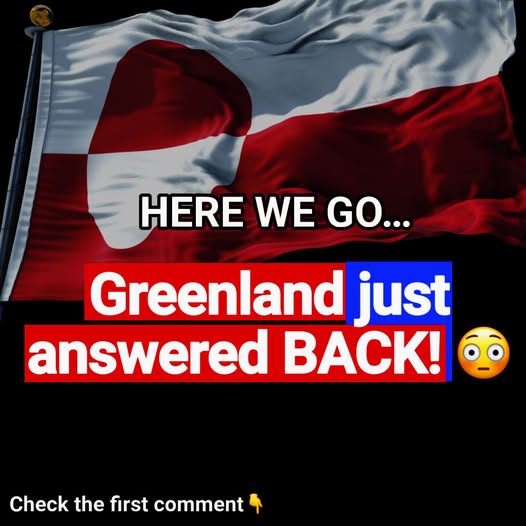
In early 2026, renewed U.S. pressure over Greenland prompted
an unusually unified response from Europe.
After Donald Trump revived claims and floated sanctions and
tariff threats tied to the Arctic island, EU governments and
the United Kingdom quickly aligned, turning what could
have been a narrow dispute into a
broader test of alliance trust and diplomacy.
European leaders emphasized that
the issue went beyond Greenland itself.
They criticized the use of economic
pressure, public ultimatums,
and social media messaging, arguing that
such tactics undermine cooperation among allies.
Leaders including Emmanuel Macron, Keir Starmer, and
Giorgia Meloni stressed that alliances depend on mutual
respect and predictable behavior, not coercion.
The dispute also highlighted Greenland’s rising strategic
importance as climate change opens new shipping routes and
resource opportunities. While Washington cited concerns about
Russian and Chinese influence, European officials noted
existing defense agreements already grant the U.S. significant access.
Ultimately, Europe’s coordinated response signaled resistance
to unilateral pressure and reinforced a preference for dialogue
, restraint, and collaboration in transatlantic relations.