Reciprocity and Rising Tensions: Why S
Recent travel restrictions introduced by several West African governments toward citizens
of the United States have drawn attention to a broader shift in diplomatic dynamics.
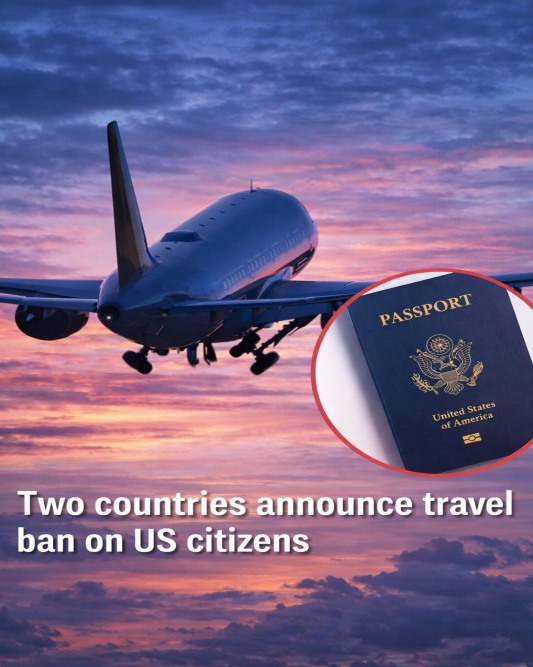
Countries including Mali and Burkina Faso have announced measures limiting entry for Americans,
framing their decisions around the idea of reciprocity. Leaders in the region say the
policies are intended to mirror restrictions or visa challenges their own citizens have experienced abroad, arguing that equal treatment should guide international mobility rules.
Although these decisions are rooted in government policy, their effects reach well
beyond official institutions. Families with connections across continents have faced
unexpected separation as travel plans become uncertain. Academic partnerships and
research programs have also encountered delays, while humanitarian organizations
operating in the region must navigate additional bureaucratic hurdles.
For many ordinary people, the consequences of these policy shifts arrive suddenly, even though they play no role in the diplomatic decisions that prompted them.
From the perspective of Washington, D.C., stricter travel rules are often presented as
administrative tools intended to address security concerns or ensure compliance with
immigration procedures. However, officials and commentators in parts of West Africa
interpret the same policies quite differently. Some regional leaders argue that the
restrictions reflect a broader imbalance in global mobility, where citizens of powerful nations travel more freely while others face significant barriers.
The tension has gradually expanded as more countries join the conversation.