She Tried to Pay for a $15 Pizza With Coin
The accusation hit harder than the cold.
One frail voice. Four words: “This is your fault.”
In that moment, every good intention turned into doubt, shame, and
a question that wouldn’t let go: did trying to help actually cause harm?
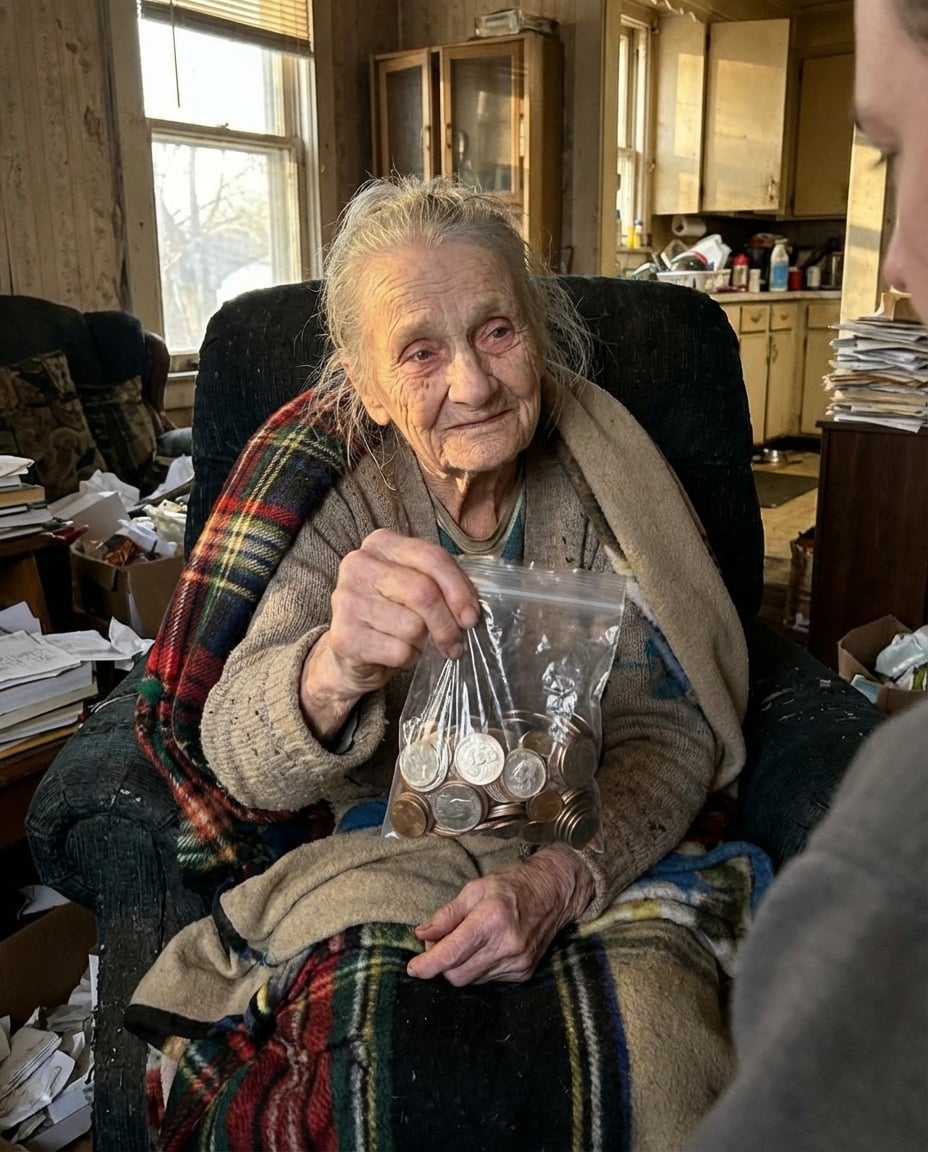
I still remember the way the air in her house felt heavier than the winter outside, how the candle’s flame trembled as she counted out coins with shaking hands.
Walking away without taking her money felt right, but calling for help felt necessary.
Only later, under the weight of her accusation and the neighbors’ stares, did that certainty begin to
fracture. I replayed every choice, wondering if I had betrayed her trust or stripped away her dignity in the name of concern.
Returning to her home a week later, I braced for anger and blame. Instead, I stepped into warmth.
The same house was now bright, stocked, and alive with conversation.
Neighbors moved through the kitchen like they’d always belonged there.
She met my eyes, not with resentment, but with gratitude. Her quiet “thank you” didn’t erase the discomfort or the doubt—but it reframed them.
Sometimes the right decision feels wrong in the moment because we’re standing too close to the pain it uncovers.
Only with time, and distance, do we see that courage can look like interference, and that real care sometimes risks being hated before it’s understood.