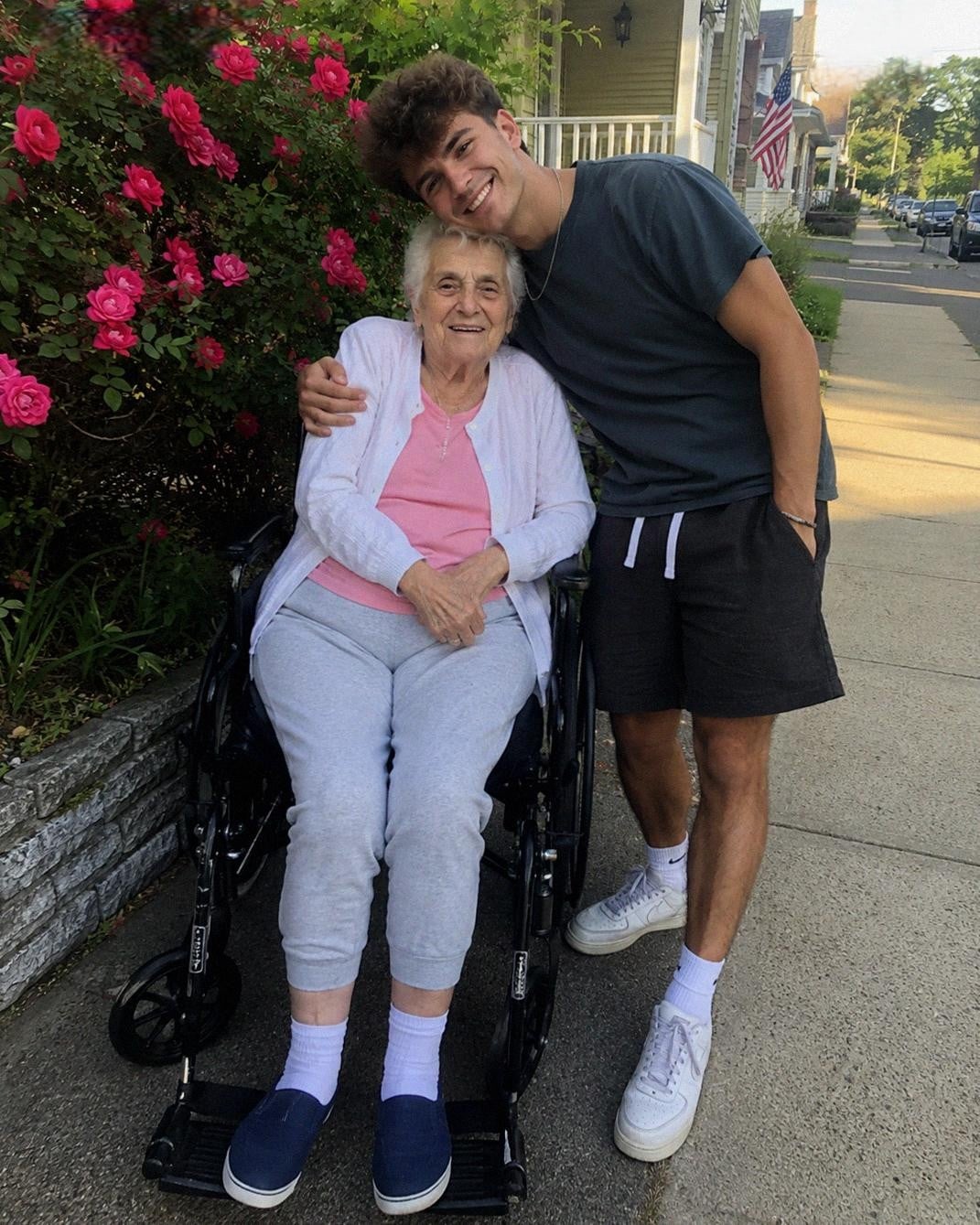
I TOOK CARE OF MY ELDERLY NEIGHBOR FOR
The will shattered me.
No house. No savings.
Not even a token keepsake—just a front-row seat to my own stupidity.
I’d given a year of my life to a dying woman who, it seemed, left me with nothing but shame.
Growing up certain that every promise was a setup for disappointment, I had treated life like a series of exits—never unpacking, never attaching, always ready to run.
What began as a desperate bargain with an irritable old woman slowly unraveled that armor.
Between grocery lists, bad meatloaf, and late-night game shows, I was seen in a way the foster system never managed: not as a case file, but as a person worth staying for.
Losing her and then being seemingly cut out of her will felt like proof that I’d been right all along: trust was a rigged game.
But that battered lunchbox, the key, and her trembling handwriting told a different story. She hadn’t owed me anything, yet she chose to give me not comfort, but calling.
The diner share was more than ownership; it was belonging, routine, and responsibility—everything I’d been taught I didn’t deserve.
Standing behind that counter, learning the business she’d quietly secured for me, I realized her real inheritance wasn’t the paperwork.
It was the terrifying, beautiful permission to believe that my life could finally be about more than survival.