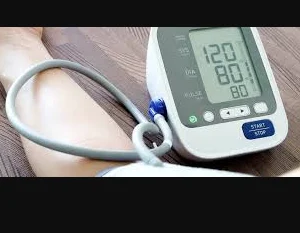
If You Think That 120/80 Is A Normal
Your doctor smiles and says, “120 over 80, you’re fine.”
But what if that “fine” is a dangerous illusion?
What if the numbers you’ve trusted for years are quietly putting your heart, brain, and future at risk?
For decades, 120/80 was treated as the gold standard of normal blood pressure, a reassuring benchmark repeated in clinics, articles, and routine checkups.
Yet newer European Society of Cardiology guidelines and evolving research show a more complex, unsettling picture.
Blood pressure isn’t a single magic number; it’s a spectrum of risk that changes with age, medical history, and vulnerability of your arteries, brain, and kidneys.
For many people, trouble starts well before the old “hypertension” line.
Scientists now recognize that values once brushed off as “borderline” can quietly damage blood vessels over time, especially in people with diabetes, older adults, or those already at cardiovascular risk.
Instead of clinging to one universal target, doctors are urged to individualize goals, often aiming lower than before.
The real danger isn’t just high blood pressure—it’s false reassurance. Knowing your numbers is no longer enough; understanding what they mean for you is what might save your life.